


You’ve decided to relocate to the UK, and your pet is coming with you. Whether you’re moving for work, family or a fresh start, leaving your companion behind simply isn’t an option. But as you start researching what’s involved, the requirements can feel overwhelming, with microchipping, blood tests, health certificates, tapeworm treatments and more! Where do you even begin?
The UK maintains some of the world’s strictest animal import regulations because it’s one of the few rabies free regions. These rules exist to protect both animal and human health, and while they require careful planning, they’re entirely manageable when you understand the process. Most importantly, pets that meet all requirements can enter the UK without quarantine, meaning your dog, cat or ferret can settle into your new home right away.
This short guide helps walk you through every step, from the initial microchip to the final health certificate, so you can plan your pet’s journey with confidence.
What Your Pet Needs Before Travel
Microchipping Comes First
Your pet must have a 15 digit ISO compliant microchip before anything else. This chip serves as permanent identification and links directly to all other documentation. The timing matters here: the microchip must be implanted before. If you vaccinate before microchipping, the vaccination won’t count, and you’ll need to start over.
Rabies Vaccination Is Mandatory
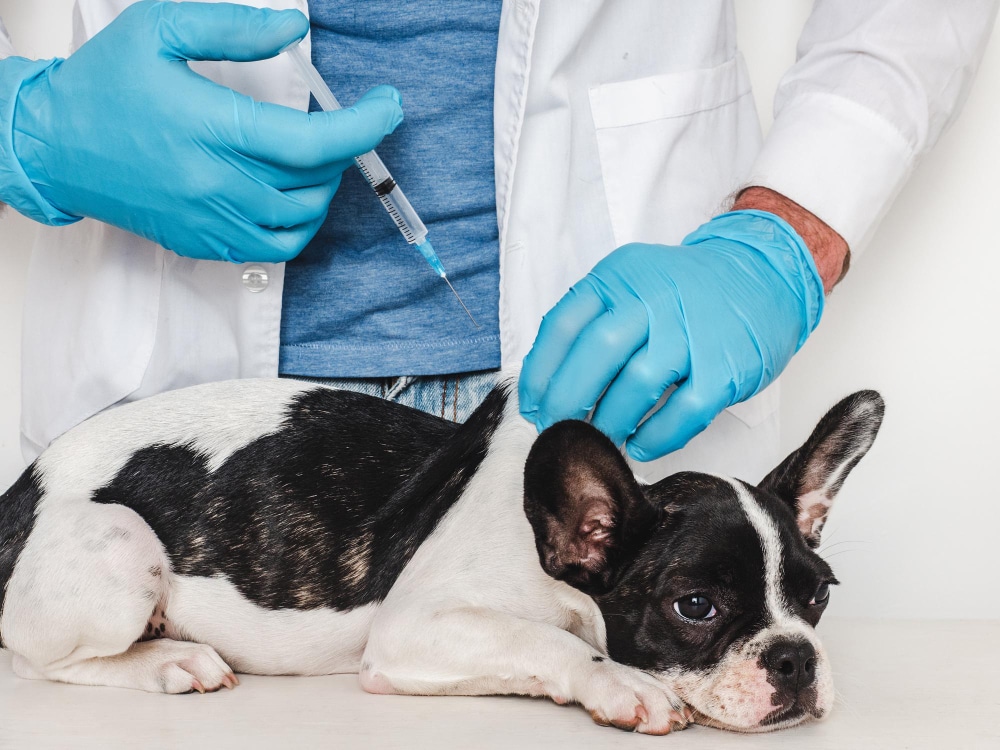
All cats and dogs entering the UK must be vaccinated against rabies, regardless of where they’re travelling from. Your vet will record the vaccination details in your pet’s health documentation, including the date, vaccine batch number, and validity period.
For pets coming from certain countries outside the EU, there’s an additional step which is the Rabies Neutralising Antibody Titre Test (RNATT). This blood test confirms your pet’s immune system has responded properly to the vaccination. The blood test must be performed at least 30 days after vaccination, and you’ll need to wait three months from the blood sample date before your pet can travel to the UK.
Health Certificates and Veterinary Documentation
The Official Health Certificate
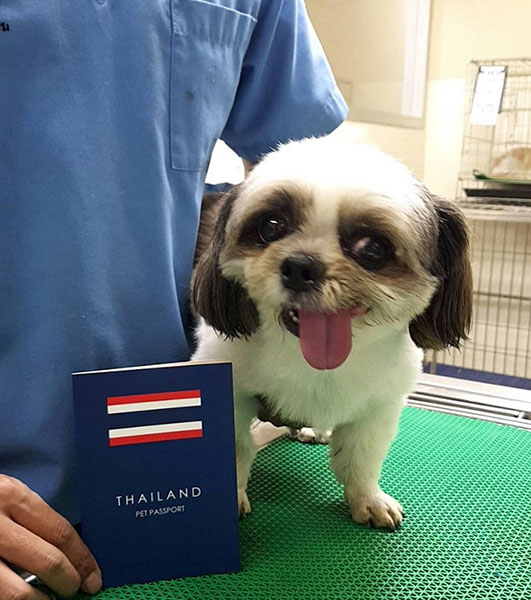
Your pet needs an official veterinary health certificate issued by a government approved vet in Thailand. This document confirms your pet is healthy, properly vaccinated and meets all UK import requirements.
Timing is critical here. For dogs, the certificate must be issued within 5 days of travel. Cats typically have a slightly longer window, but confirm the exact timeframe with your veterinarian. The certificate must accompany your pet throughout the journey, and UK customs officials will inspect it upon arrival.
Tapeworm Treatment for Dogs
If you’re bringing a dog, you’ll need to add one more item to your checklist which is tapeworm treatment. A licensed vet must administer the treatment and record it in your pet’s documentation. The treatment window is specific of no more than 120 hours (or 5 days) and no less than 24 hours before you arrive in the UK.
This requirement protects the UK from parasites that could harm the local animal population. While it adds another step to coordinate, most vets experienced in international pet travel handle this routinely.
Keep Multiple Copies
Customs officials may request documentation at various points during your journey. Keep digital copies on your phone and physical copies in an easily accessible folder. If any documents are in a language other than English, consider having certified translations prepared in advance.
Timelines & When to Start Planning
Don’t wait until a few weeks before your move to begin this process, as the full timeline can take 4 to 6 months and here’s why:
- – Microchipping and rabies vaccination can happen relatively quickly
- – RNATT testing requires a 30 day wait after vaccination, plus lab processing time
- – The 3 month waiting period after RNATT is mandatory and cannot be shortened
- – Health certificates must be timed precisely with your travel dates
Starting early gives you buffer room for unexpected delays, such as lab processing times or vet appointment availability. It also reduces stress as your moving date approaches.
Working with Relocation Specialists
Many pet owners moving internationally choose to work with pet relocation specialists who coordinate the entire process. These services handle veterinary appointments, ensure all documentation is completed correctly, arrange appropriate flights and carriers, and manage customs clearance at both departure and arrival points.
For families relocating for the first time or those with particularly anxious pets, professional assistance can make the difference between a smooth transition and a stressful ordeal. Our team specialise in helping families move their pets to and from Thailand, including relocations to the UK. We also understands the specific requirements for UK entry and can guide you through every step, from initial planning to the moment your pet arrives at your new home. We coordinate with veterinarians, manage all paperwork, and ensure your pet travels safely and in full compliance with UK regulations.